
 Written by
 TRIUMPHANT WAY OF THE DRAGON STARS RETURN TO HONG KONG
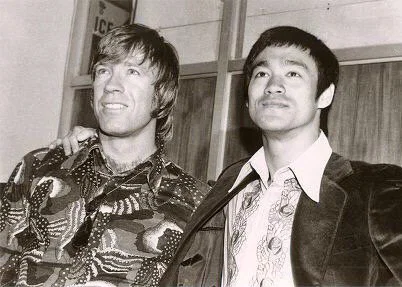
On 18 May 1972, Hong Kong erupted with excitement as Bruce Lee returned triumphantly to Kai Tak Airport after completing location filming in Rome for The Way of the Dragon. Accompanying him were actress Nora Miao, American karate champion Chuck Norris, and martial artist and actor Bob Wall, all of whom had contributed to what was already being described as one of the most ambitious productions in Hong Kong film history. Their arrival marked more than the end of an overseas shoot. It symbolized the emergence of Hong Kong cinema onto the international stage and confirmed Bruce Lee’s determination to revolutionize martial arts filmmaking forever.
By the spring of 1972, Bruce Lee had already transformed the Asian film industry. The enormous success of The Big Boss and Fist of Fury had made him the most electrifying screen presence in Hong Kong. Audiences were captivated by his explosive speed, charisma, and intense screen energy. Yet Lee remained dissatisfied with merely starring in films controlled by others. He wanted artistic freedom and complete authority over his projects. The Way of the Dragon became the realization of that dream. Through Concord Production Inc., the company he established with producer Raymond Chow, Lee assumed control as writer, director, producer, action choreographer, and star.
The production’s decision to shoot extensively in Rome was groundbreaking. Few Hong Kong films at the time ventured overseas on such a scale. Bruce Lee believed authentic international locations would give the film a fresh visual identity and demonstrate that Hong Kong productions could rival Western cinema in scope and ambition. Rome’s majestic architecture, crowded streets, and ancient monuments provided a dramatic backdrop unlike anything martial arts audiences had previously experienced.
The Roman production was both exciting and demanding. Budgets remained modest despite the international travel, and the cast often worked long hours in unfamiliar surroundings. Nevertheless, the atmosphere among the team was energetic and optimistic. Lee approached the project with relentless focus, carefully designing every fight scene, camera movement, and story beat. He wanted the film to blend action, comedy, and cultural observation into something more sophisticated than a conventional kung fu picture.
Nora Miao played a crucial role in achieving that balance. Already a familiar co-star to Bruce Lee, she brought warmth and emotional depth to the story as Chen Ching-hua, the owner of a Chinese restaurant in Rome threatened by gangsters. Her chemistry with Lee gave the film humanity and charm. During the location shoot, Miao adapted professionally to the challenges of filming abroad, helping maintain morale as the production moved rapidly between locations. Her presence also reflected the increasingly modern image of Hong Kong cinema, where female characters were becoming more independent and central to storytelling.
Chuck Norris, meanwhile, represented something entirely new for martial arts films. Although not yet a Hollywood celebrity, he was already highly respected in international karate circles. Lee had known Norris from martial arts tournaments and demonstrations in the United States during the 1960s. The two men shared mutual admiration despite their differing approaches to combat. Lee recognized that to create a truly unforgettable screen battle, he needed an opponent who looked physically credible against him. Norris possessed the athleticism, discipline, and intimidating presence required for the role of Colt, the martial artist hired to defeat Tang Lung.
Equally important to the production was Bob Wall, another American martial artist and close friend of Bruce Lee. Wall had trained extensively in karate and had met Lee years earlier in the United States martial arts community. On the Roman shoot, Wall brought humor, professionalism, and camaraderie to the set. In The Way of the Dragon, he portrayed one of the martial arts experts sent to challenge Bruce Lee’s character. Although his role was smaller than Norris’s, Wall’s contribution helped establish the film’s atmosphere of international martial arts rivalry. His distinctive appearance, aggressive fighting style, and strong screen personality made him memorable to audiences and added authenticity to the film’s combat sequences.
Behind the scenes, Bob Wall also became part of the close-knit circle surrounding Lee during the Rome production. The cast and crew often navigated language barriers, logistical complications, and tight schedules together. Wall later spoke warmly about Bruce Lee’s perfectionism and dedication during filming. He admired Lee not only as a martial artist but as a visionary filmmaker determined to raise standards for action cinema.
When the filming wrapped and the group returned to Hong Kong on 18 May 1972, the reception at Kai Tak Airport reflected the city’s growing pride in its homegrown superstar. Journalists crowded around Bruce Lee, eager to hear about the Roman production and the experience of filming overseas. Fans gathered for a glimpse of the actor whose popularity was becoming almost unprecedented in Hong Kong entertainment history.
Chuck Norris and Bob Wall attracted considerable attention as well. At the time, it was unusual for American martial artists to appear prominently in Hong Kong productions, and their presence generated enormous curiosity. Reporters recognized that Lee was doing something innovative by bringing together Eastern and Western fighters in a single film. Their participation gave The Way of the Dragon an international flavor that distinguished it from traditional kung fu movies.
For Bruce Lee himself, the return to Hong Kong must have carried immense satisfaction. After years of struggling in Hollywood, where Asian actors were often confined to stereotypes and supporting roles, he had finally achieved complete creative independence. He had traveled to Europe with his own production company, directed an ambitious international film, and returned home with footage that would redefine martial arts cinema.
The film’s most legendary achievement would ultimately become the climactic duel between Bruce Lee and Chuck Norris inside Rome’s Colosseum. Lee staged the sequence with extraordinary precision and patience. Unlike many action films that relied on rapid editing, Lee emphasized rhythm, timing, and physical realism. The battle unfolds almost like a philosophical contest between different martial arts ideologies. Norris’s disciplined karate style initially matches Lee’s speed and adaptability, forcing Tang Lung to evolve during the fight.
Bob Wall’s scenes earlier in the film help build toward that climax. His confrontations with Lee demonstrate the escalating danger posed by the foreign martial artists hired against the Chinese hero. Wall’s aggressive screen style complemented Norris’s stoic intensity, together creating a believable gallery of opponents capable of challenging Bruce Lee physically. Their participation also reinforced Lee’s message that martial arts transcended nationality. Respect, discipline, and personal growth mattered more than rigid loyalty to any single fighting style.
When The Way of the Dragon premiered later in 1972, it became another massive success for Bruce Lee and further expanded his global reputation. Audiences were astonished by the Roman scenery, the innovative fight choreography, and the unforgettable Colosseum duel. The film confirmed that Hong Kong productions could compete internationally while retaining their own cultural identity.
Looking back, the return to Hong Kong on 18 May 1972 stands as a historic moment. Bruce Lee arrived not simply as a movie star, but as a filmmaker bringing home proof that his vision could transcend borders. Beside him were Nora Miao, whose grace and professionalism helped anchor the story emotionally; Chuck Norris, whose confrontation with Lee would become legendary; and Bob Wall, whose friendship and martial arts expertise contributed significantly to the film’s authenticity and spirit.
Together, they represented a turning point in cinema history. The excitement surrounding their arrival captured the optimism of a new era for Hong Kong filmmaking — an era driven by international ambition, creative independence, and the extraordinary charisma of Bruce Lee.
Research by Bruce Lee specialist Andrew Staton
The post WAY OF THE DRAGON STARS RETURN TO HONG KONG On This Day first appeared on World of Martial Arts | WOMA.