
 Written by
 By Masoud Hayeri Khyavi
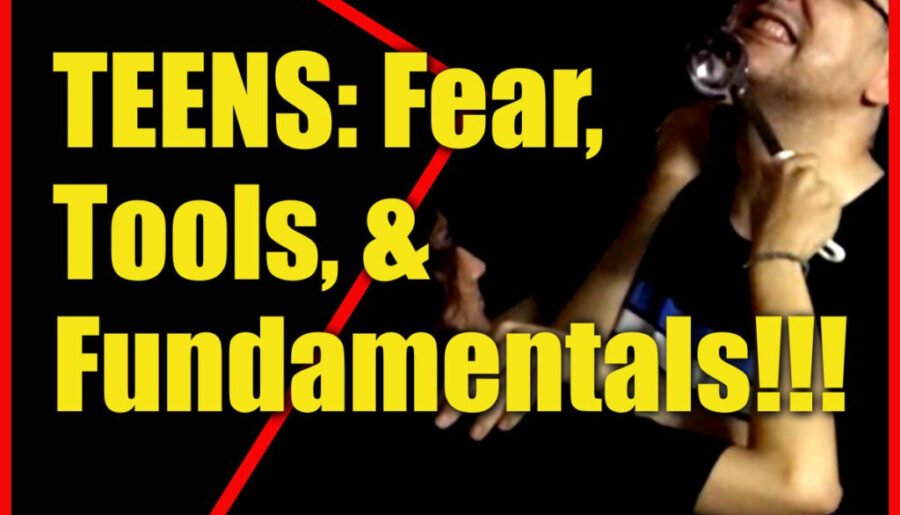
TEENS: Fear, Tools, & Fundamentals!!!
In martial arts training for teens, developing physical skill is only half the battle. The other half is the mental ability to manage fear and challenges.
A purposeful combination of tools (tools that complement and accelerate these skills, not replace them) with practice in a variety of environments and adherence to fundamental principles will transform teens into prepared and resilient martial artists. A successful program for teens is a combination of physical training and mental training. By regularly recording fear, using tools wisely, practicing in real-world situations, reading patterns, and focusing on the fundamentals (the core physical and mental martial arts skill set), coaches and parents can transform teens into skilled, resilient, and self-aware martial artists.
Photo of the author at age 5, taken in 1978.
In this short, very brief look at five key themes of this approach, along with some initial suggestions for coaches and parents.
Key 1 – Controlling Fear: Record, Not Surrender
Fear is a warning, but when it becomes a primary response, it impairs decision-making. Recording the experience of fear without judgment prevents emotional reactions and frees the mind’s energy for effective action.
Record Fear: After each difficult exercise, take a minute to write down or speak out loud the fear and the understanding it created.
Key 2 – Tools as Complements, Not Substitutes
Tools can accelerate progress, but they are not substitutes for basic practice. If the fundamental skills are not solid, tools will exacerbate weaknesses.
The 80/20 Rule: Dedicate eighty percent of your time to practicing the basics and twenty percent to working with the tool.
Key 3 – Practicing in Different Conditions: Surface, Sound, and Light
Real-world conditions are not always safe. Gradual exposure to a variety of conditions increases mental and physical flexibility and ensures readiness for any situation.
Practice under acoustic pressure: Use headphones at high volume and practice simple techniques in mental silence or in a light-switching scenario, such as performing simple combinations in bright and dim environments, to enhance concentration.
Key 4 – Understanding opponent tactics and reading patterns
The ability to recognize opponent movement and behavior patterns reduces decision-making time and makes reactions more targeted. Video analysis and visual practice of patterns improve speed and accuracy.
Variable response: The instructor changes cues abruptly, and the student must act on the new cues or plays a trick-and-response game: A teammate intentionally deceives; focus on patience and then take effective action.
Key 5 – The importance of foundations
Foundations are the root of any martial art. Without regular repetition and practice of body position, other techniques become fragile and even dangerous.
Controlled fighting: Practice with a lighter and heavier partner to strengthen exit and control strategies.
With what has been stated very briefly, the conclusion and summary can be stated as follows:
Record the fear and turn it into information (breathe and record).
Consider the tools as a complement to the basics (80/20 rule).
Incorporate training in a variety of environmental conditions into the program.
Identify the tactics of different opponents and focus on the reaction. Create a database in your mind.
Practice the basics repeatedly and purposefully.
Author
Masoud Hayeri Khyavi
The author is a martial artist and academic researcher based in Iran.
Thanks for reading & watching, we hope you enjoyed it, please LIKE, SHARE and don’t forget to SUBSCRIBE to World of Martial Arts Television for more great content!!
The post Effective Martial Arts Training for Teens: Fear, Tools, & Fundamentals!!! first appeared on World of Martial Arts | WOMA.